Many years ago, a mentor said to me, “you don’t have to believe everything you think'” and added, “a lot of the thoughts aren’t yours anyway. You just pick them up out of the ether or from passers-by”. To be honest, I was a bit sceptical. But it is one of those seed ideas that has stuck with me over the years, and I’ve realised it is very true.
How often does a thought just pop into your head, and you have no idea where it came from? I know it happens to me all the time. Becoming more self-aware helps us to realise this.
Meditation and Journaling
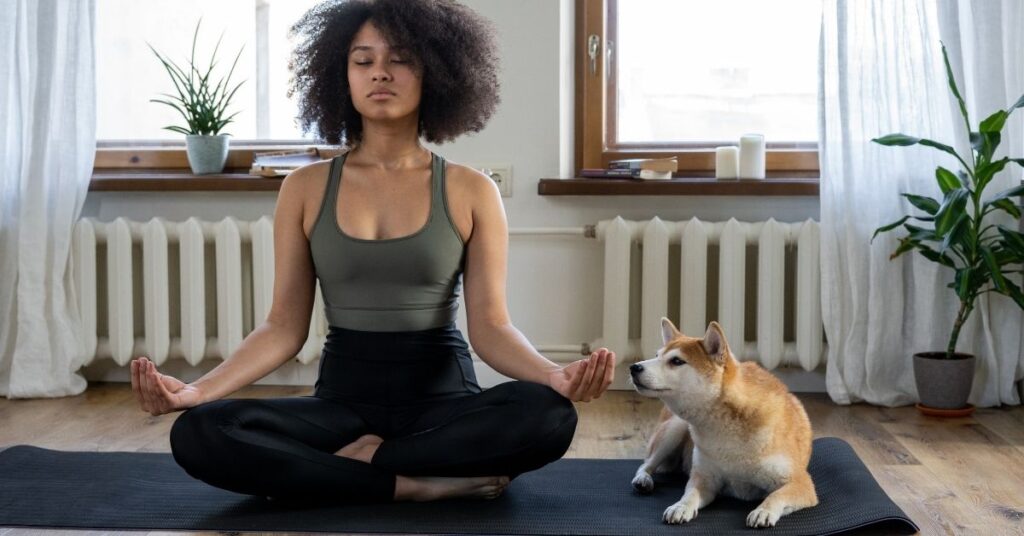
Meditation and journaling can help with this. For a few days, try to note down any stray thoughts that seemingly pop up out of nowhere. Do you sometimes think, ‘I could kill him’ or something similar? It’s very unlikely you really want to kill someone, it’s just a thought that enters your head.
How often do you think things such as, I’m so stupid, I’m too old/young, too fat, too thin, too tired, too technologically challenged etc.? You don’t have to believe those thoughts any more than you believe the thought, ‘I could kill him’.
And if you have a thought that you have absolutely no idea where it came from, it’s probably one you’ve picked up from someone else.
All of these thoughts are just stories we tell ourselves. We don’t have to believe them. What can you do about them?
How To Stop Them
The number one thing is to realise that everyone has strange, weird and wonderful thoughts. Sexual fantasies, violent thoughts, negative thoughts. Even happy, fun thoughts.
It’s not possible to stop thoughts, and usually the more we try, the more persistent they are. Acceptance is the key. Buddhists have a practice of labelling the thoughts. You can just try saying, ‘a mind full of thoughts’ and return to your breath.
Replace Negative Thoughts With Positive Ones
If you find you are having lots of negative thoughts, develop a practice of replacing them with positive thoughts. The more you do this, the more your thoughts will naturally become more positive. It will take a while, but eventually you will realise you have become a much more positive person. Repeat the positive thought over and over as you go about your day.
This doesn’t mean negative thoughts are ‘wrong’ or you shouldn’t have them. They are a natural part of life. They are just not the type of thoughts we want to dwell on, if we want a strong, positive mindset.
Technologically Challenged
‘I’m technologically challenged’ is one of the most common phrases I hear people say online. It’s a story lots of people take as a fact. I believe in most cases this is much more of a mindset issue than a technological issue. People get stressed out, tell themselves they can’t do something and it becomes a self fulfilling prophecy. Their stress causes them to have a mind that won’t work efficiently, it goes blank.
When I need to figure out some new technology, I just follow instructions slowly, carefully, step by step. And it’s rare there is something I can’t get done. YouTube is also a great resource, there’s a video for how to do just about anything, explained in detail.
If you find yourself saying you can’t do something because you suck at technology, just try repeating to yourself, ‘I can learn how to do this’. You may find that you’re not as challenged as you thought you were.
This process can be used to overcome pretty much any limiting belief we have. Just know that you can learn how to do it, and can change your language around the problem. I have managed to lose almost 3 stone in weight, and be alcohol free for 4 years next month, by not believing the thoughts that tell me I can’t do it.
Mindfulness For Busy People
Check out my 21 day email course if you would love to start a regular mindfulness practice but don’t know where to start, or feel you are too busy.
Beginner’s mind is both simple and beautiful. It’s where we start, and where we want to return to. Moment by moment, experience by experience.
If your mind is empty, it is always ready for anything, it is open to everything. In the beginner’s mind there are many possibilities, but in the expert’s mind there are few.
– Shunryu Suzuki
Very often we approach situations with our conditioned mind. This conditioning is often unconscious. We have unwittingly taken on the views of our parents, peers, teachers, colleagues, church and wider community. Very often this conditioning goes unquestioned.
In beginner’s mind, we approach everything as if for the first time. Just seeing everything as it is, without the weight of conditioning.
Freeing yourself of this conditioning takes work, but is absolutely worth it.
Continuity of Mindfulness
An important part of being mindful is to get through the difficult times we all face and maintain some continuity of mindfulness. To achieve mindfulness (beginner’s mind) is not difficult, and it can be maintained by those who practice regularly a lot of the time. Sometimes, in some crucial moments, it is extremely difficult. How you handle these difficulties and challenges is most significant. It is the continuity of mindfulness that is crucial. It is this continuity that we are developing with practice.
We could say, therefore, that by focusing our attention on the present moment, calmly and mindfully accepting our thoughts, feelings and bodily sensations, we achieve a mental state that can be used to therapeutic effect. It is important to remain detached and non-judgmental, including of ourselves.
Just Observe
Just observe, practice noticing little sensations before you react and use them as a mindfulness bell to help you to respond to a situation rather than react (egoically) to it.
For instance, if someone is critical of you in an online review, or in a response to a post you have made, you can rant back at them mindlessly (I have been guilty of this in times gone by), or you can decide to calmly look at the situation and respond mindfully. Or decide to ignore it.
Perhaps some of their criticism is valid, in which case thank them and move on.
If they are trolling you, either delete and move on, or respond calmly, knowing that their response is about them and not about you.
It can be easy to get wound up thinking that their comments could harm your business, but this is highly unlikely with a one of comment. These people usually give themselves away as trolls, and your audience is not easily fooled. Have faith in them.
This practice can be applied to all areas of life – home, work, social settings.
Again and again, examine Every aspect of your mental and physical activities. In brief, that is the very way of observing mindfulness.
– Shantideva
Paying Attention
Mindfulness can help us to pay attention in everything that we do. By practicing meditation, we can learn to become more and more aware of things going on around us such as the birds singing, the wind in our hair or the sun on our skin. We may notice things we have walked past for years and overlooked.
In your work or business you may find that ideas flow much more clearly, and problems are more easily solved. You may pick up on potential problems before they happen, saving a lot of time, money or overwhelm.
In your relationships, you may find that you are more tolerant and understanding. And your calmer nature will likely rub off on your friends, spouse or colleagues too.
If you have never meditated before, mindfulness meditation can be a nice, simple introduction to the practice. And if you are a seasoned meditator, you can always work on deepening your practice.
Free Downloads
I have a couple of short meditations mp3s you can download for free:
Mindfulness is a way of befriending ourselves and our experience.
Jon Kabat-Zinn
Being Focused
I was first introduced to mindfulness formally in 1996. I came to realise, however, that I had been practicing mindfulness for most of my life, without realising it. Just by paying attention to everyday things, my yoga practice and the meditations that followed a session. Focusing on reading and not being disturbed by anything around me. Just being in the present moment.
Ongoing Moment to Moment Awareness
Soon after this formal introduction, I came to practice more and more. Then, I came to understand that mindfulness is not just sitting down and doing a twenty minute meditation each day, or performing a body scan to release tension, but is an ongoing, moment to moment awareness.
Try to just practice this as much as you can, gently bringing yourself back every time you realise you have lost awareness.
Mindfulness Practice advice and help for busy people who want to get started but feel like they don’t have time.
More than half of all small business owners have suffered from anxiety, 62 per cent have been affected by stress, and 30 per cent have experienced depression. It’s no exaggeration to suggest that we’re in the midst of a wellbeing crisis, with the self-employed feeling this acutely.
Alan Thomas, CEO, Simply Business UK
There is no doubt that just about everybody has suffered as a result of the global pandemic, and this is still ongoing. Covid-19 has made life difficult for many, and small business owners have been particularly hard hit.
Mindfulness, whether you are a seasoned meditator or an absolute beginner, can improve your life in many ways. As a business owner, it can help you to avoid overwhelm and burn out and help you to develop a strong mindset for success. It can help you to overcome the stresses of the past 2 years, and set you up for coping well with any further problems that come your way.
Is Mindfulness Practice For Me?
Yes, mindfulness can have immense benefit for everyone, when regularly practiced. Young, old, male, female, healthy or infirm, mindfulness can help improve your life.
What is Mindfulness?
Many people mistake mindfulness for meditation. Whilst Mindfulness Meditation can really help you to become mindful, the practice is so much more than just sitting meditation.
In today’s rush, we all think too much — seek too much — want too much — and forget about the joy of just being.
Eckhart Tolle
The aim of mindfulness practice is to become mindful in all aspects of daily life. This has huge benefits for mindset, as anxiety, worry, stress and overwhelm become things we can more easily cope with. When issues arise they are dealt with calmly, in the present moment.
Mindfulness Overview
Mindfulness is a modern buzz word, and we hear about mindful eating, mindful movement, mindful living, and so on. But what is mindfulness?
Developed recently (1970’s) in the west by Jon Kabat-Zinn, mindfulness has its roots very much in ancient mystical practices. It is mostly associated with Buddhism, but a study of Christian Mysticism, Sufism, Taoism or other mystical paths will show that the practices are all based on mindfulness and living in the present moment.
According to Jon Kabat-Zinn, “Mindfulness means paying attention in a particular way; on purpose in the present moment, and nonjudgmentally”. This may sound quite simple, but in practice it is very difficult to achieve at all times, but this is why we practice.
Download Mindfulness Resources PDF
I have compiled some resources into a file that can help get you started with your mindfulness practice. It includes book recommendations, YouTube videos and mp3s of mindfulness meditations and some web pages on mindfulness.
Mindfulness becomes a way of life, a way of paying attention to every little moment; coming back to that present moment when we realise we have let our attention wander off. To be fully present in as many moments as we possibly can. This will, however, take some practice. Just as we keep coming back to the breath when we are meditating, when we find our attention has wandered we can just bring it back to the present moment. Always remembering to be kind to yourself.
Live the actual moment. Only this actual moment is life.
Thích Nhất Hạnh
Take Three Deep Breaths
Paying attention to the breath can keep us grounded at any time, whatever the circumstances.
My favourite mindfulness go to is simply to take three deep, slow breaths. Anyone can do this at any time, and no one need even know you are doing it.
Feeling angry, upset, stressed, or out of your depth? Dealing with a difficult client, have a looming deadline or suppliers messing you around? Just bring your attention back to your breath. Three slow, deep breaths can have a really calming and grounding affect, just try it and see. You can do this as many times per day as you like.
Mindfulness For Busy People
If you would like to discover some simple ways to build mindfulness into your daily life, without using hours of your precious time, check out my Mindfulness For Busy People 21 day course.
Each day for 21 days you will receive a practical and actionable tip to help consolidate your practice. Each day will take no more than a few minutes of your time, but by the end of the three weeks you will have seen a dramatic mindset shift. It really can transform your life, as it did mine.
How do you start a spiritual practice and maintain it daily?
One of the most common things people tell me is they don’t have time for a spiritual practice. Or they have let their practice lapse.
This always makes me think about my own practice, and how I don’t use up huge chunks of my day. Instead I have built a practice that takes minimal time yet is central to my life.
Morning and Evening Mindfulness
Each morning, before I even open my eyes, I do a couple of minutes of mindfulness meditation. I just follow my breath for two or three minutes. This takes no time out of my day, yet gets the day off to a great start.
When I go to bed I do the same thing. Just follow my breath as I am drifting off to sleep. Again, it takes no time.
If you want to add in more meditation, that’s great. Sometimes I like to do a longer meditation. However, if you have never meditated before, or not for a long time, this few minutes at the start and end of your day will give lots of benefits.
After a while of doing this, it’s quite likely you will naturally build up the length of time you spend. Just don’t let the idea of having to do 40 minutes or two hours per day put you off getting started.
If this is all you were to do each day, you would notice an increase in your wellbeing.
Affirmations
After meditating and as I’m getting ready for the day, I like to repeat affirmations. Usually I just choose one for the day. As I leave my bedroom, I look at the framed poster on my dressing table. It reads, ‘Today is going to be awesome’. I repeat this to myself as I go downstairs. This ensures I start my day positively and with a smile.
If you sign up to my new course Mindfulness For Busy People you will get a PDF of 30 affirmations to get you started.
If you want to go more in depth on how to start a spiritual practice, this 21 day course will be right for you.
Spiritual Literature
Another way to add to your practice without using up any extra time is to swap out your regular reading for spiritual literature. I love poetry from the likes of Rumi, Hafiz, Rainer Maria Rilke, Rabindranath Tagore and many more.
In addition to reading these mystic poets, I have some favourite authors I turn to often. Probably my favourite teacher is Pema Chodron, and she has lots of books available. Equally as good is Thich Nhat Hanh who also has a lot of books available. There are also lots of great writings from Sufi, Taoist and Christian mystics.
If you want to check out a lot of great spiritual literature, pay a visit to my Allspirit website. This was the first website I launched way back in 1997. Although I haven’t added to this website for a long time, there is a wealth of spiritual material for you to get your practice off to a great start.
If you are in the habit of reading novels or gossipy magazines, swap at least some of that time for reading spiritual literature. You will probably find you quite quickly lose your appetite for gossip.
Discover Spiritual Videos
Many of us spend a lot of time watching tv. According to a report from regulator Ofcom, UK adults spent nearly a third of their waking hours watching TV and online video content in 2020. Even if you spent half of this time watching spiritual videos, that is a lot of watching.
So if you find yourself mindlessly scrolling tiktok videos, or watching soaps or sport on tv, check out the wealth of free videos on youtube. Just do a search for spirituality or meditation and you will find many, many excellent videos.
Again, this takes no time out of your day, you will be swapping less spiritual activities for more rewarding ones.
Self Awareness
The core of a spiritual practice for me is becoming more self aware. As you go about your day, pay attention to how you react to things that happen. Do you feel angry, jealous, fearful or sad? Just look at these with a kind, non judgmental awareness.
Doing this is not to shame yourself, but to learn about yourself. Once you notice your less than helpful reactions, you can begin to adjust them.
Paying attention to your body can often alert you to reactions before you respond in an angry or jealous way.
Maintaining Your Spiritual Practice
All five of these things can fit into your life with little time needed. They will, however, make a big difference to your life if practiced each day.
Once you get used to doing them daily they will become part of your regular daily habits. To start with, you may use reminders to cement the habits. A reminder on your phone to do your morning and night time meditations. A set time of day to read or watch videos. Using an app on your phone to pop up affirmations. I use Yapp, and find it really helpful (and it’s free). A stone carried in your pocket that you turn over in your hand can remind you to pay attention to your reactions.
If you miss a day, or miss a practice, or even if you miss for a while it doesn’t matter. Don’t judge yourself harshly, just be kind to yourself and restart your practice.
Remember, a journey of 1,000 miles begin with the first step. Just take that first step and get started.
We use cookies on our website to give you the most relevant experience by remembering your preferences and repeat visits. By clicking “Accept All”, you consent to the use of ALL the cookies. However, you may visit "Cookie Settings" to provide a controlled consent.
This website uses cookies to improve your experience while you navigate through the website. Out of these, the cookies that are categorized as necessary are stored on your browser as they are essential for the working of basic functionalities of the website. We also use third-party cookies that help us analyze and understand how you use this website. These cookies will be stored in your browser only with your consent. You also have the option to opt-out of these cookies. But opting out of some of these cookies may affect your browsing experience.
Necessary cookies are absolutely essential for the website to function properly. These cookies ensure basic functionalities and security features of the website, anonymously.
Cookie
Duration
Description
cookielawinfo-checkbox-analytics
11 months
This cookie is set by GDPR Cookie Consent plugin. The cookie is used to store the user consent for the cookies in the category "Analytics".
cookielawinfo-checkbox-functional
11 months
The cookie is set by GDPR cookie consent to record the user consent for the cookies in the category "Functional".
cookielawinfo-checkbox-necessary
11 months
This cookie is set by GDPR Cookie Consent plugin. The cookies is used to store the user consent for the cookies in the category "Necessary".
cookielawinfo-checkbox-others
11 months
This cookie is set by GDPR Cookie Consent plugin. The cookie is used to store the user consent for the cookies in the category "Other.
cookielawinfo-checkbox-performance
11 months
This cookie is set by GDPR Cookie Consent plugin. The cookie is used to store the user consent for the cookies in the category "Performance".
viewed_cookie_policy
11 months
The cookie is set by the GDPR Cookie Consent plugin and is used to store whether or not user has consented to the use of cookies. It does not store any personal data.
Functional cookies help to perform certain functionalities like sharing the content of the website on social media platforms, collect feedbacks, and other third-party features.
Performance cookies are used to understand and analyze the key performance indexes of the website which helps in delivering a better user experience for the visitors.
Analytical cookies are used to understand how visitors interact with the website. These cookies help provide information on metrics the number of visitors, bounce rate, traffic source, etc.
Advertisement cookies are used to provide visitors with relevant ads and marketing campaigns. These cookies track visitors across websites and collect information to provide customized ads.




Recent Comments